
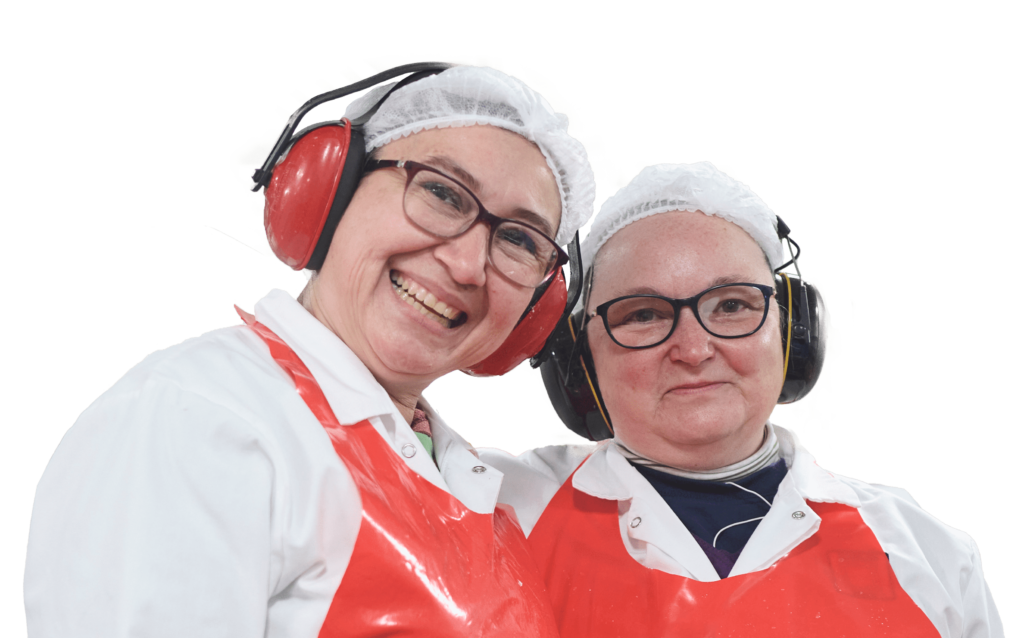
Seafood Processing —
It’s more than just business.
This is our oldest industry and our greatest resource. It’s up to all of us to help keep it strong.
Fuelling our economy like nothing else
Seafood processing generates billions of dollars in Newfoundland and Labrador, but it’s more than just an economic driver. It’s woven into the fabric of our culture, employing over 6,000 workers with families in more than 70 towns and communities across our province – not to mention the hundreds of small businesses that depend on the ripple effects of the industry.
We believe in the value of local processing, and not just for our industry, but for the communities, workers, and families who depend on it.
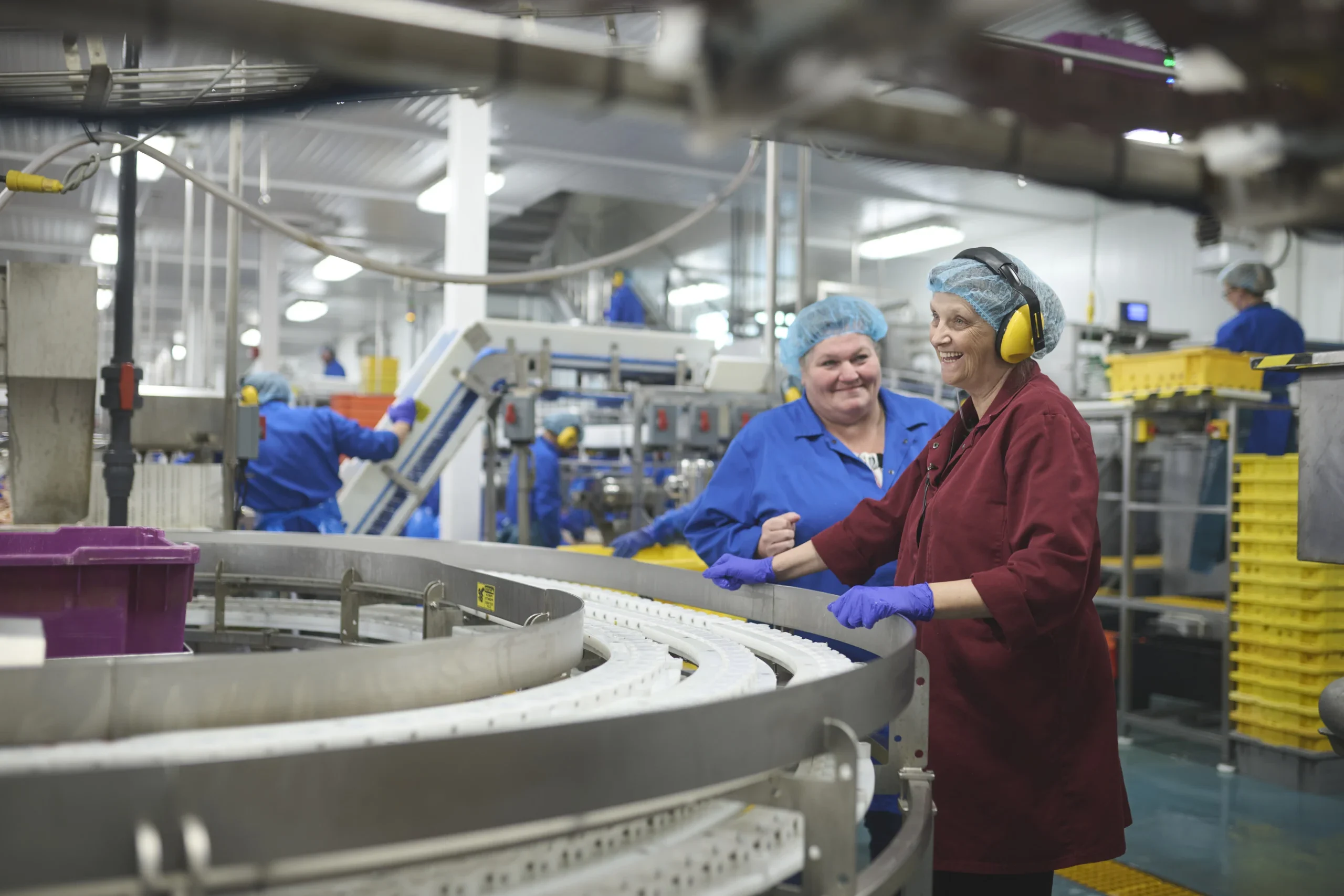
Behind every piece of seafood is a community of people who depend on this work
To us, seafood processing isn’t ‘just’ an industry. It’s a major driver behind local businesses, it’s how families pay bills, and it’s how rural communities stay alive.
But seafood processing is also extremely unpredictable, and recent policy changes could make things even harder. We take our work personally, and we’re proud to provide some of the highest quality products on the planet. But when jobs are at risk, so are the communities built around them; the schools, arenas, and neighbourhoods that depend on these paycheques and supports. Because behind every piece of seafood is a person, a family, and a whole community counting on it.
We’re all in this together

John Norman
Mayor of Bonavista
Beyond the major dollars and the employees tied to it, the fishery becomes the identity of a place. There is no way to severe the identity of the town from the fishery.
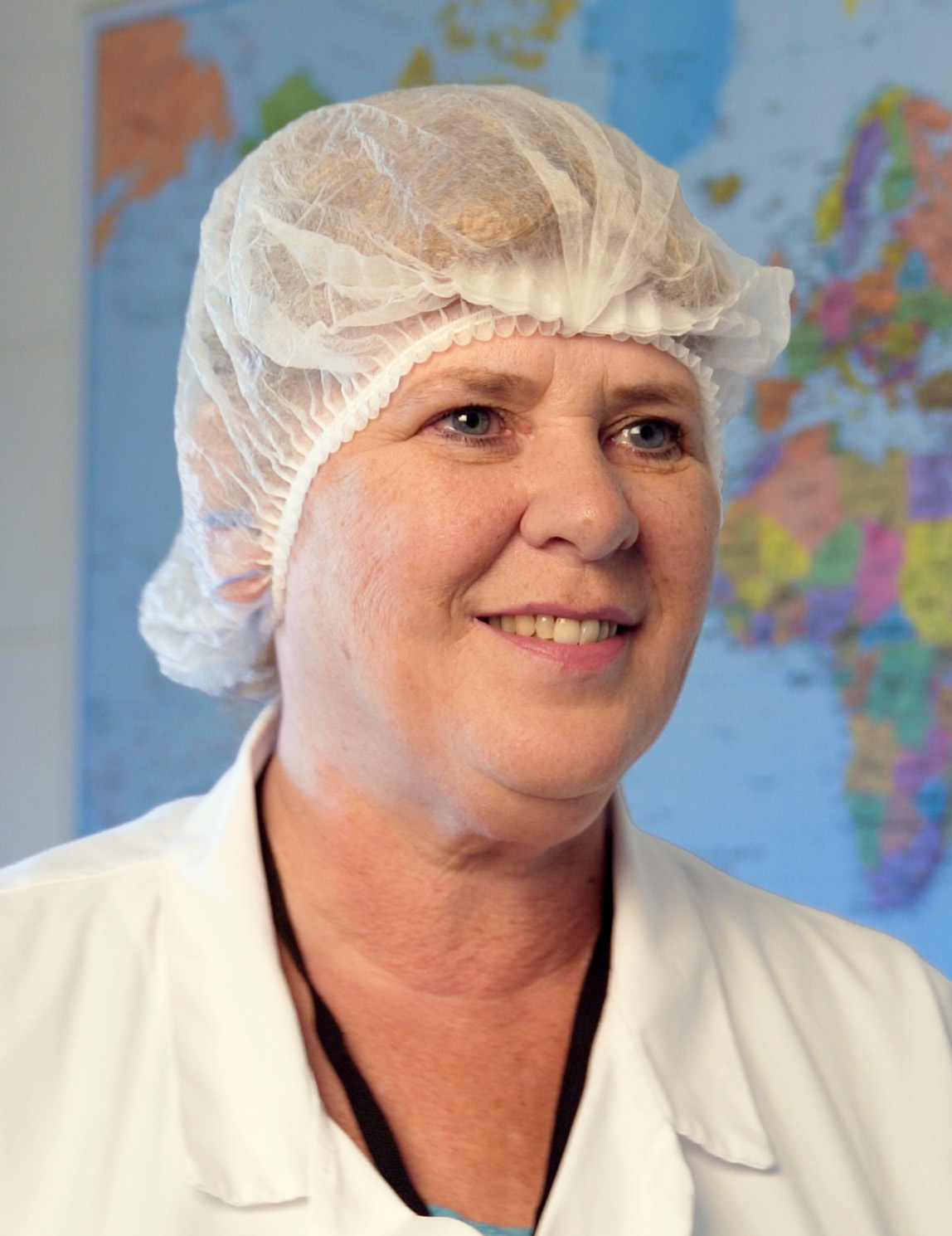
Connie
Plant Employee
Working at the plant not only provides steady employment, it also gives me a sense of pride knowing that our efforts support families and keep the community thriving.
How new policy changes are making a tough business even tougher
How new policy changes are making a tough business even tougher.
Running a seafood processing operation has never been simple. Every season, processors manage unpredictable fish stocks, strict quality rules, international buyers, transportation challenges, and short harvest windows, all while keeping hundreds of people employed.
But recent provincial policy changes — known as the “10-point plan” — have added new layers of restrictions that make it harder to plan, invest, and keep operations running sustainably.
For any business owner, imagine:
- Your production schedule changes overnight, with no guarantee of product to keep your lines moving.
- Your costs go up, but your ability to earn doesn’t.
That’s what processors are facing right now.
When plants are forced to stop and start unexpectedly, it’s not only companies that feel it, it’s the workers counting on hours, the local businesses that rely on steady paycheques, and the communities built around our seafood economy.
These policy changes were designed with intentions around competition and market access, but the unintended result is greater instability for the very industry that anchors our rural economy.
At the end of the day, a plant without product doesn’t just mean lost profit, it means lost work for real people: our families, friends, and neighbours who depend on this sector for their livelihoods.
Where do we stand?
We know these are complex issues. If you’ve ever wondered what the processing sector really means for the people behind our seafood, the following FAQs help tell that story.
Is our fishing industry stable today?
Many people still remember the cod collapse and the moratorium that followed. It wasn’t just about losing a fishery—it led to the single biggest layoff in Canadian history and the collapse of entire communities built around cod. While cod is slowly recovering, most of our industry today relies on shellfish—especially snow crab. That’s a big opportunity, but it also brings risk.
Two things are outside of anyone’s control: world market prices and fishing quotas. Prices can rise and fall quickly, like we saw in 2022 with snow crab, and quotas are adjusted by the federal government to protect the long-term health of the stock. That means stability is always a balancing act for the people and towns who depend on the fishery.
How do seafood prices get set in Newfoundland and Labrador?
In 2006, the Standing Fish Price Setting Panel was created to bring more stability to the industry. The panel sets a guaranteed starting price for harvesters, with the possibility of higher pay if global market prices rise.
The flip side? When markets crash, like they did in 2022 for snow crab, processors are still required to pay the set price—even if it’s higher than what buyers elsewhere are offering. That puts processors at risk, limits how much they can afford to buy, and in turn affects how many hours plants can give their workers. At the end of the day, the ripple effect lands in people’s paycheques and in the strength of rural communities.
Why does it matter if more crab processing licenses are issued?
The amount of crab caught each year is set by federal quotas—and those quotas aren’t expected to see significant increases. Newfoundland and Labrador already has enough plants to process more crab than we land. Adding more licenses would just spread the same quota thinner across more plants.
That means fewer hours for plant workers, shorter operating seasons, and less income for families. When plants can’t run as long, it makes it harder for people to qualify for EI and for small towns to keep their local economies going strong.
Why does it matter if seafood is sold to buyers outside Newfoundland and Labrador?
When raw seafood is shipped out of the province for processing, our local communities miss out on the jobs and economic benefits that come from keeping that work at home. While competition can sometimes help harvesters, it also means fewer hours for plant workers, less business for local suppliers, and less money circulating in our towns.
For the province as a whole, it means fewer opportunities to add value here at home and less incentive to invest in modern, stable plants that provide long-term jobs in rural Newfoundland and Labrador.
Why is it a problem if processing licenses can’t be sold or transferred?
Small plants often rely on being able to transfer their processing license if they need new investment or ownership. If that option is taken away, it makes things much harder.
Think about an owner/operator who wants to retire. Without the ability to transfer the license, the main value of the plant is gone. What’s left is just the building and equipment—and who’s going to buy a processing plant without the guarantee of product to process?
That means fewer buyers, fewer financing options, and more risk of rural plants closing their doors. And when that happens, communities lose not just jobs, but part of their economic backbone.
Don’t processors just make profit off harvesters’ work?
Not at all. Processors and harvesters rely on each other to make the industry work. Harvesters bring in the catch, but processors create the jobs, infrastructure, and local markets that turn raw seafood into products people buy around the world. Without processors, harvesters wouldn’t have a reliable market, and without harvesters, processors wouldn’t have product to process. It’s a partnership that keeps families working and communities thriving.
When you look at the numbers, most of the value from seafood goes straight to the harvesters—about 81% of export value. Plant workers get 40–60% of what’s left after harvesters are paid, while processors are left with roughly 10% to cover costs, upgrades, maintenance, packaging, shipping, and their own financial risk. That’s why stability, collaboration, and trust across the industry are so important for keeping jobs, families, and communities strong.
Who works in seafood processing plants and why are these jobs important?
Seafood plants employ over 6,000 people across 70 coastal communities throughout Newfoundland and Labrador—many of them multi-generational families who’ve worked in the industry for decades. In many towns, the plant is the main employer, providing steady jobs close to home. These jobs don’t just support workers—they keep families rooted in rural communities and keep local businesses, schools, and services going.
How do seafood plants support rural communities?
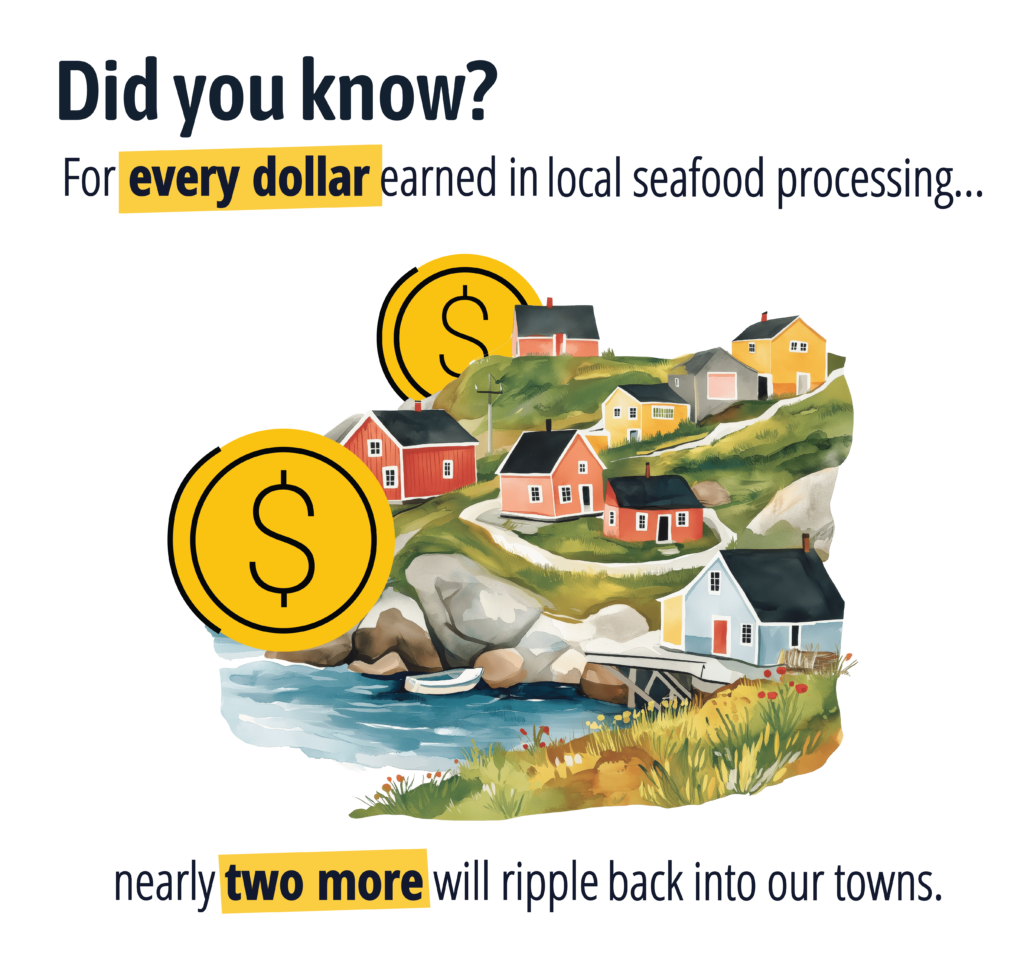
Processing plants are often the economic heart of a community. They bring in wages that get spent locally at grocery stores, gas stations, and small businesses. They help keep families in town, support local infrastructure, and ensure rural communities remain vibrant places to live. When plants thrive, entire towns thrive.
What would happen if processing plants closed?
The impact would be felt far beyond the plant itself. Workers would lose their jobs, families might have to leave their communities, and local businesses would struggle without that income circulating in town. Schools, services, and the overall fabric of rural life would be put at risk. That’s why protecting processing jobs is about more than just business—it’s about the future of Newfoundland and Labrador’s rural, coastal communities.
What role does the processing sector play in sustainability?
Processors have a direct stake in protecting fish stocks—because without a healthy resource, there’s no future for the industry or for the communities that depend on it. That’s why processors support science-based quotas, responsible harvesting, and long-term management. The goal is to ensure that the fishery isn’t just here for us today, but for future generations too.
