



How the Snow Crab Fishery Works
Harvesters bring world-class seafood to our shores.
Processors purchase seafood, employ plant workers, and prepare/process/package it for markets around the world.
Together the work supports thousands of jobs and coastal communities across Newfoundland and Labrador.
Our Snow Crab Fishery Works Best
When We Work Together
Ocean
Harvesters

Processing
Plants
Plant
Workers
Global
Markets
Coastal
Communities
Value Chain
From harvesters to plant workers and buyers around the globe, we all play a part in turning a natural resource into jobs, economic activity, and global market success.
The Role of Processors

Purchasing seafood from harvesters.

Operating plants that employ thousands of workers.
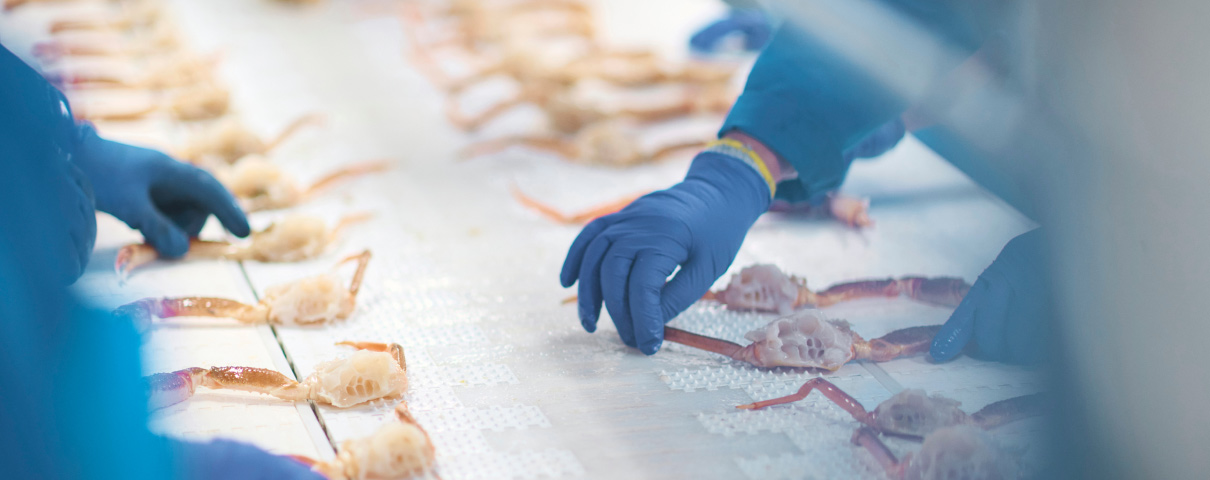
Investing in facilities needed to safely, efficiently, and successfully process, package, store, and ship local seafood to markets around the world.
Operating in global seafood markets involves significant business risk.
Processors invest in infrastructure, equipment, workforce development, marketing, and maintaining international market access – all while managing the financial risks associated with changing global demands and pricing.
These investments sustain jobs, strengthen coastal communities, and maintain Newfoundland and Labrador’s place in the global seafood industry.

Our Partnership with Harvesters
The relationship between harvesters and processors is fundamentally collaborative —
each part of the industry depends on each other to succeed.
HARVESTERS
rely on processors to prepare and market that seafood to buyers around the world.
PROCESSORS
rely on harvesters to catch high quality seafood.
Processors also provide administrative and business supports that help fishing enterprises operate effectively, including financial administration and services that allow harvesters to focus on fishing.

Season Timing
and Stability
Gulf Season
Begins early April
During this time:
- Buyers in the United States and international markets are actively securing supply
- Processors and exporters are moving crab quickly into the market
- Contracts and purchasing decisions are often made for a significant portion of the season’s demand
NL Season
Opens later in the spring
Because of this difference:
- Gulf crab often enters the market first
- NL crab continues entering the market after the Gulf season has already concluded
When Demand is High, Timing Matters
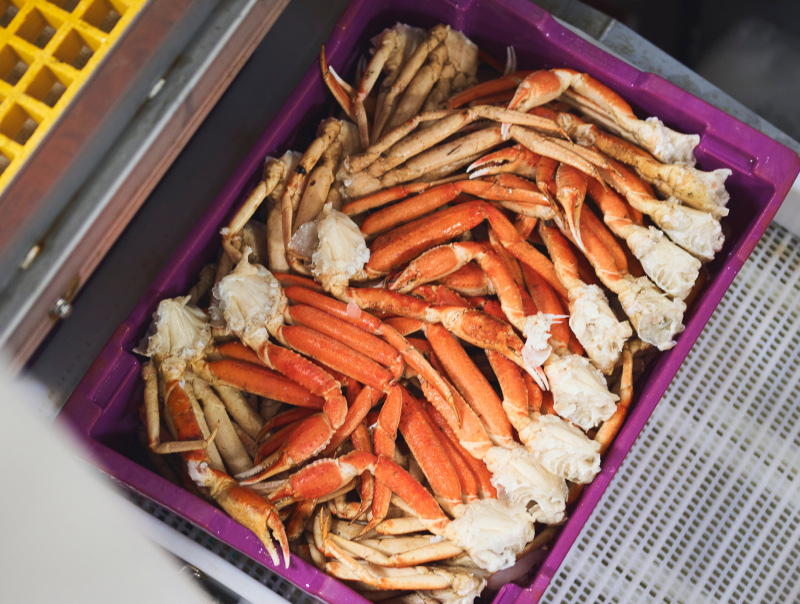
In 2025, nearly 93% of Canadian snow crab exports occurred between April and July as buyers rushed to secure supply amid tariff uncertainty.
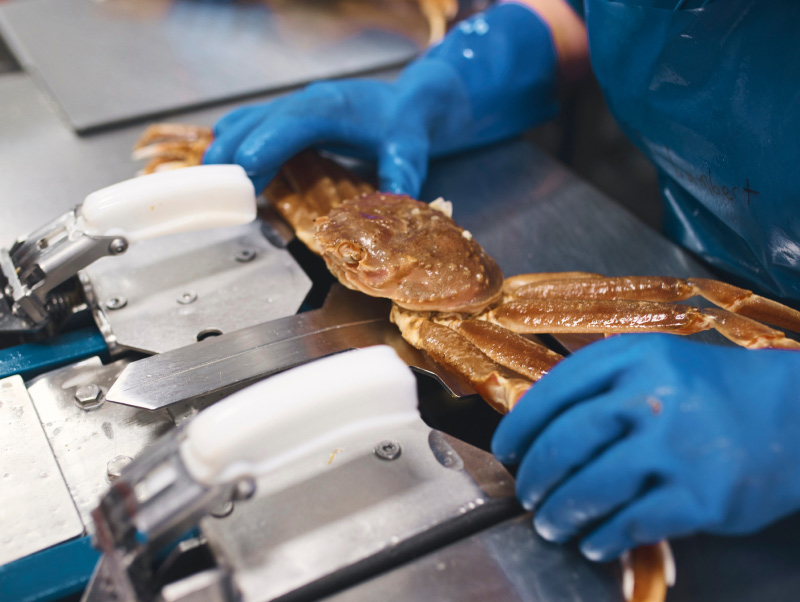
Because the Gulf fishery occurs almost entirely during this early window, it was directly affected by that surge in demand.
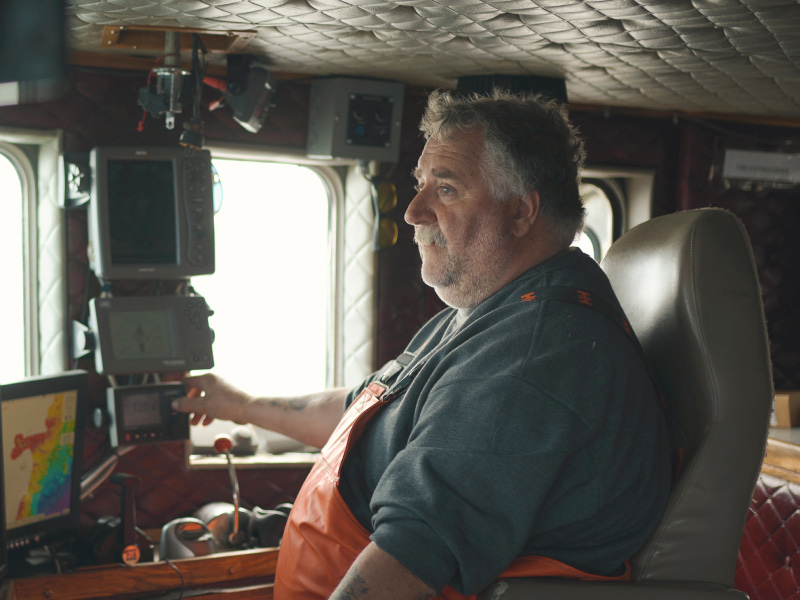
NL’s longer season meant that a significant portion of its production reached the market after the initial rush had passed, when buying pressure had already begun to ease.
Why Stability and Timely Seasons Matter
This timing dynamic means that it’s especially important that Newfoundland and Labrador’s snow crab fishery is able to start and operate efficiently and without unnecessary delays.
When internal conflicts, prolonged disputes, and disruptions delay the season, the province risks entering the market after buyers have already secured much of their supply elsewhere.
In a highly competitive global seafood market, being late to market can mean:
- missed opportunities
- weaker negotiation positions
- reduced value for everyone involved in the fishery
The price gap between Gulf and NL crab is not new — it has existed for many years. Some buyers prefer Gulf crab, and will pay more for it. An earlier season will help reduce the gap, but not fully eliminate it.
Stability and cooperation are essential.
When the snow crab fishery moves forward together, Newfoundland and Labrador is better positioned to compete, secure markets, and maximize value for everyone.
Keeping the Value of Our Fishery in Newfoundland and Labrador

Independent research helps explain how supply, demand, and international trade conditions influence pricing and market outcomes.
The Sackton Report was commissioned by the Government of Newfoundland and Labrador to examine the 2025 crab price differential.
Key Findings
- Market forces influenced pricing
- Supply changes affected the market
- Early-season price spikes were temporary

6,000+
workers are employed
in seafood processing
70+
communities are supported
by seafood processing
Newfoundland and Labrador
seafood is sold in
